News • Ideas • Events
EDITOR’S DESK
When Kansas Texts, You Listen
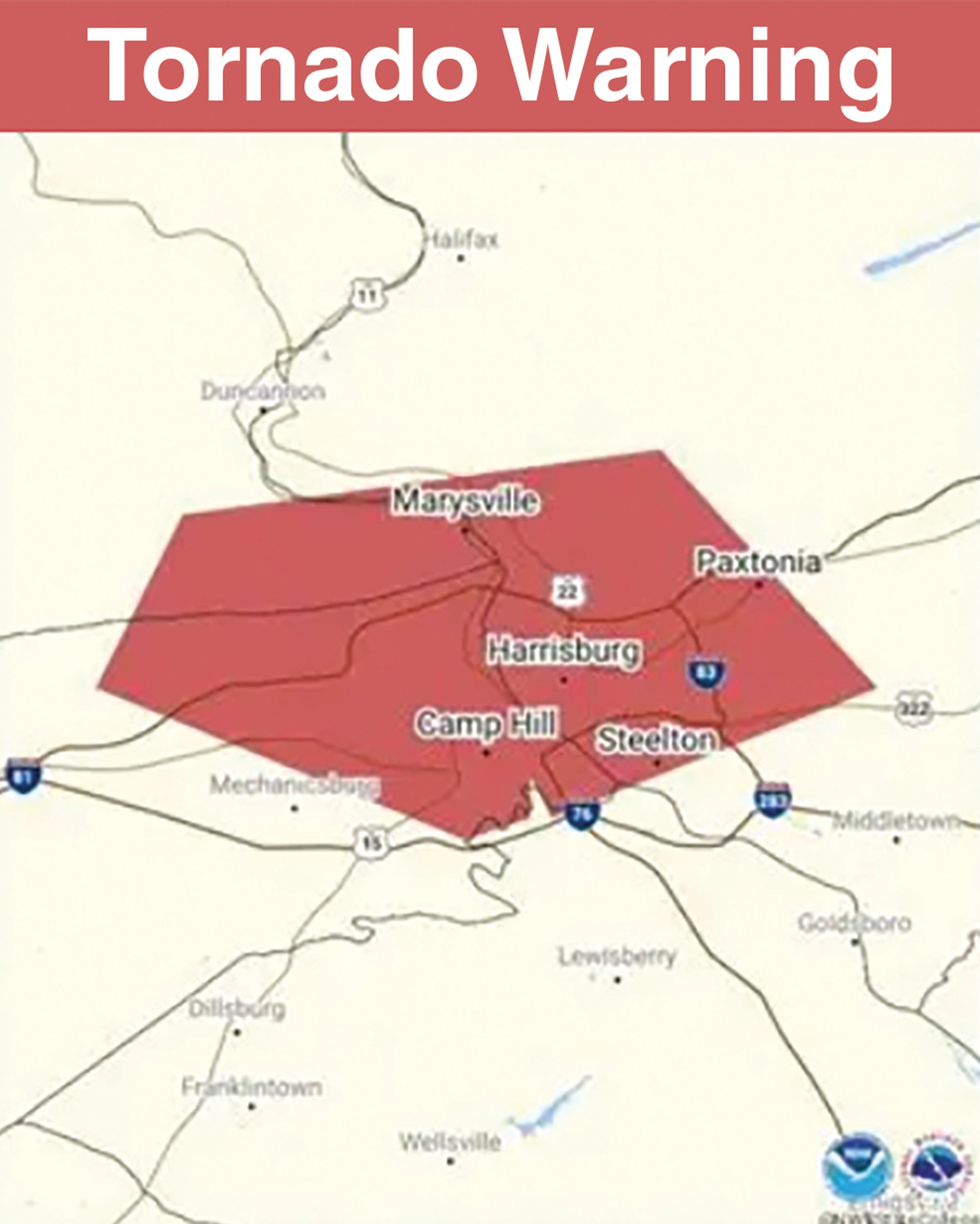
I was already in the basement with my family when I got the text from Kathy, warning me about a tornado heading our way. It was the July Fourth weekend, and storms were ripping through much of Pennsylvania.
A former Penn Lines editor, Kathy Hackleman is originally from Kansas. When you get a tornado warning from a Kansan, you know to take it seriously.
And we did. Already rattled by the emergency alerts on our phones — IMMINENT THREAT! SEEK SHELTER IMMEDIATELY! — we did as told.
It was the first tornado warning for us — my wife, our son, our daughter and me — and we weren’t sure what to expect. Outside, the rain and wind picked up. We even had water coming into the basement.
I tracked the storm on my phone as the meteorologist highlighted the warning zone and circled our town. With the pounding rain and howling wind, we had a pretty good idea where the storm was. Still, it was unsettling to see our hometown singled out on a radar screen.
Fortunately, the storm passed without serious damage in our neighborhood, though large trees were down and the power was out across much of the surrounding area. PPL, our local electricity provider, called it one of its worst storms, with more than 260,000 outages. Electric cooperatives were hit hard, too, with thousands of outages over that weekend.
Early the next morning, our daughter left for work at the nearby hotel restaurant where she helps with breakfast service. When she got there, she found the parking lot full of utility vehicles — and lineworkers from all over. For us, it became a chance to “talk shop.”
I explained that while we were sheltering in the basement, those crews were on their way here, leaving their own homes and families to help our community recover. The hotel parking lot had become a staging area for that work. PPL brought in line crews from several states and even Canada. Across cooperative communities, similar mutual-aid efforts were underway as lineworkers traveled to help sister co-ops restore power.
We were fortunate the storm wasn’t worse, and grateful for the line crews that came to help our community. And even though Kathy isn’t in Kansas anymore, I’ll still listen to her when it comes to tornados.
PETER A. FITZGERALD
EXECUTIVE EDITOR
LET FREEDOM RING
Penn State team creates virtual reality model of Liberty Bell
Have you always wanted to see the Liberty Bell, but can’t find time to make the trip to Philadelphia? Penn State Behrend has you covered.
As America is in the midst of its 250th birthday celebration, a renewed interest in the 273-year-old bell has taken hold of the public. So much so, a team from the Virtual/Augmented Reality (VAR) Lab at Penn State Behrend has created a high-resolution model of the iconic bell for the public to explore online.
By visiting var.psu.edu/libertybell, history buffs can now view the bell from multiple angles, including close-up views of its surface details, shape, and historic features, including portions that aren’t typically visible. Virtual visitors can also take an interactive tour of the Liberty Bell Center and its exhibits.
The project began when the Erie-based VAR team realized no public scan existed for the bell. In late May, they worked after hours at the center in Philadelphia to complete the scanning and photography. The team then reviewed and edited the images and developed digital assets for public education, preservation, and future exhibits.
Recast in 1753 in Philadelphia, the 2,080-pound bronze bell was rung regularly for nine decades before its iconic crack in the 1840s. Currently, it’s on display at the center in the city’s Independence National Historical Park.
.
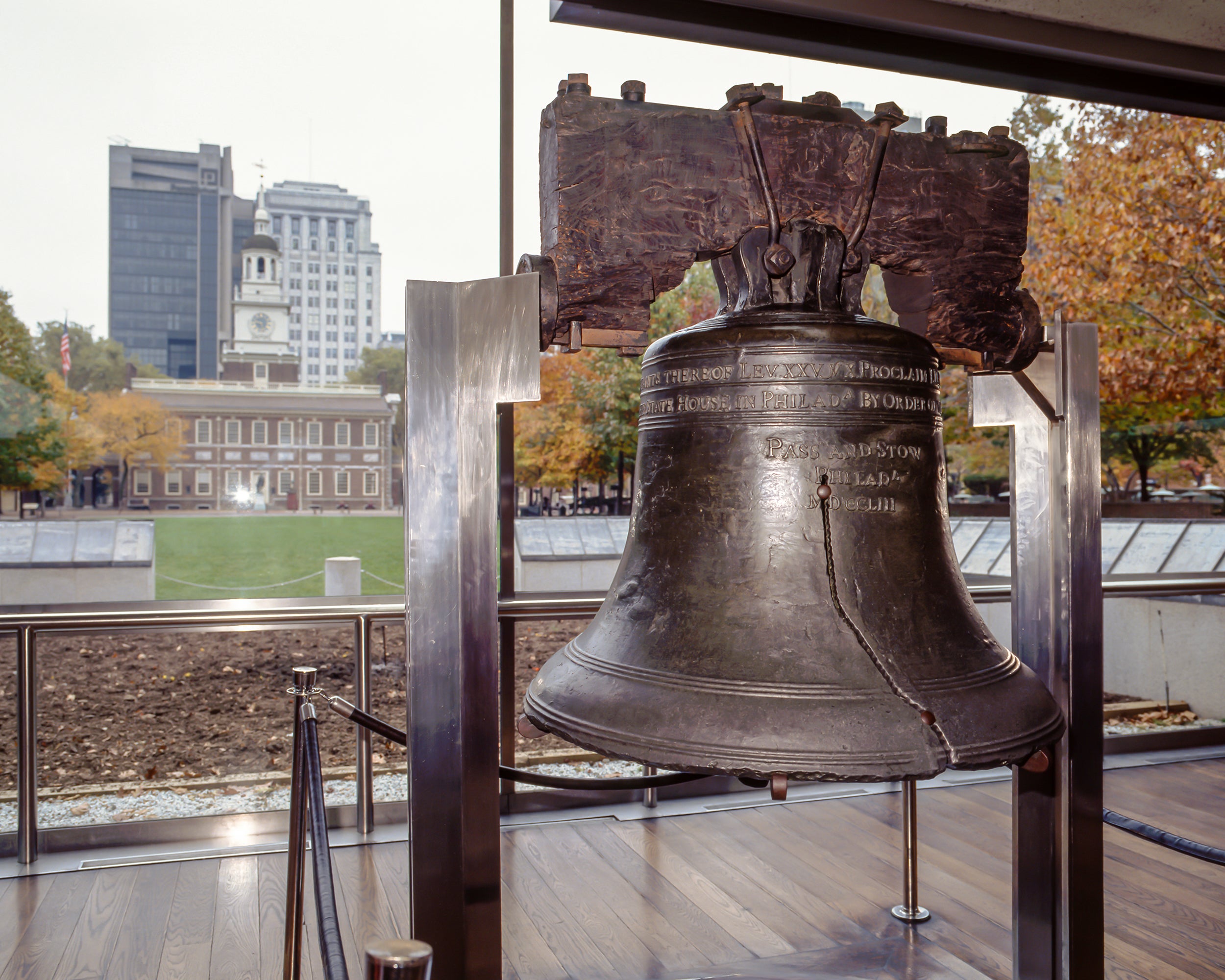
VIRTUALLY THERE: A team from the Virtual/Augmented Reality Lab at Penn State Behrend recently created a high-resolution model of the Liberty Bell that the public can explore online at var.psu.edu/libertybell.
ON THE RISE
Pennsylvania measles outbreak tops 100 cases
Pennsylvania is experiencing a growing measles outbreak, with 109 confirmed cases reported across multiple counties as of mid-July. At press time, Lancaster County had the most cases with 67, and Lebanon County was second with 20.
Health officials say most of those infected are unvaccinated, which has allowed the highly contagious virus to spread. Measles can cause fever, cough, runny nose, red eyes, and a rash and small white spots in the mouth. The disease can lead to serious medical complications, especially in the young and those with weakened immune systems.
The state Department of Health encourages anyone who is not vaccinated to get the recommended two doses of the measles, mumps, and rubella vaccine. After two doses, people are immune to the virus. Officials are also identifying possible exposure locations and asking anyone who notices symptoms or becomes ill to contact a health provider.
For more information, visit pa.gov/agencies/health/diseases-conditions/infectious-disease/measles.
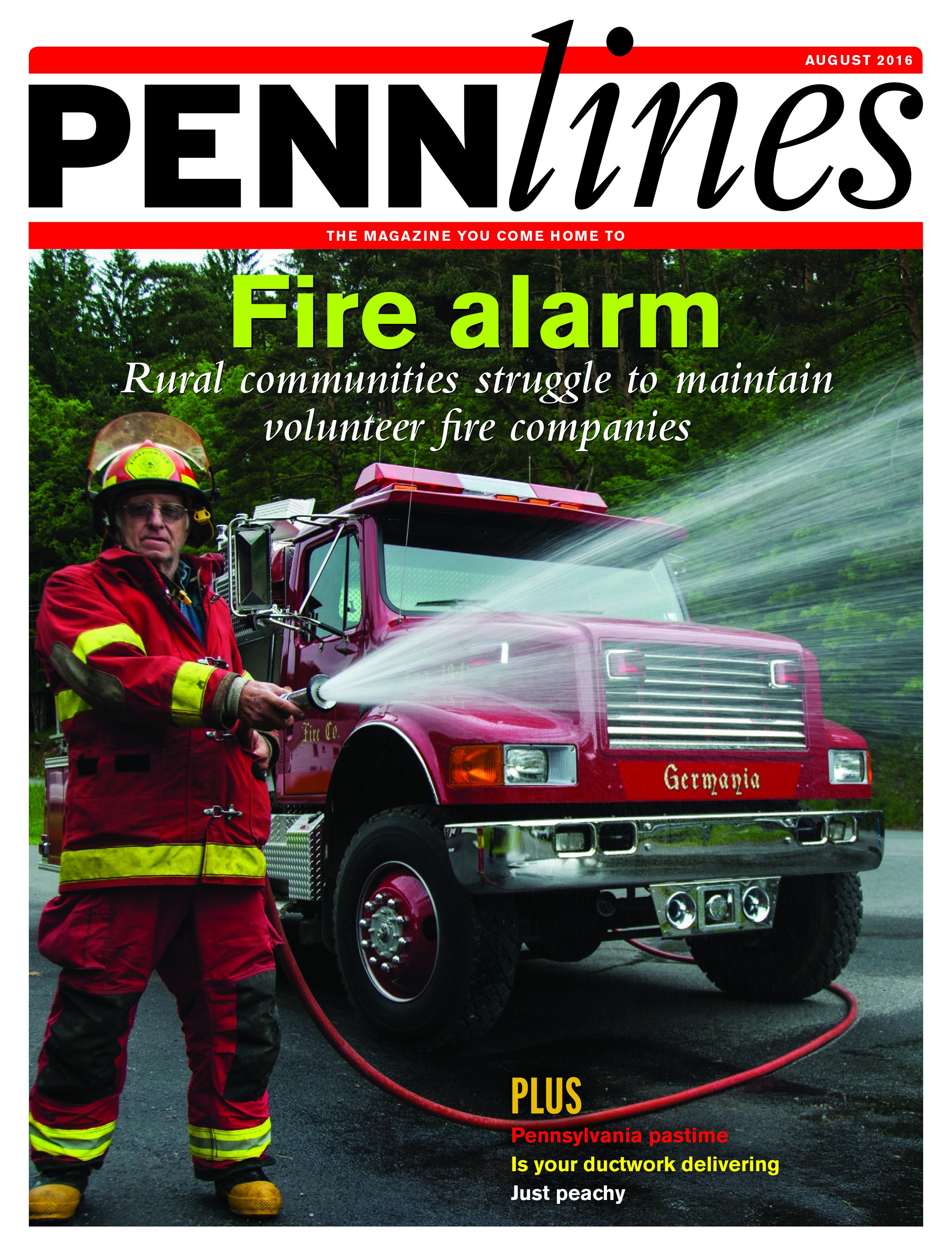
TIME LINES — August 2016
A decade ago, Penn Lines took a look at the challenges of keeping rural volunteer fire departments up and running. Time-consuming training, growing commitments for potential volunteers, retirements, and rising equipment and vehicle costs were all taking a toll on local public safety providers. To compensate, remaining volunteers estimated they were spending 60% to 70% of their time fundraising. The challenges haven’t gone away. “I think the number of firefighters in Pennsylvania — particularly looking at the volunteer ranks — is absolutely past crisis stage,” one fire chief lamented at a recent hearing in Harrisburg. “We’re on life support right now, quite frankly.”
Also in this issue